
Understanding gambling addiction pathways to recovery and healing
Understanding gambling addiction pathways to recovery and healing
Recognizing Gambling Addiction
Gambling addiction, also known as compulsive gambling, is a behavioral addiction characterized by an uncontrollable urge to gamble despite harmful consequences. Recognizing this addiction is the first step toward recovery. Individuals may experience a mix of emotional distress, financial hardship, and strained relationships due to their gambling habits. Understanding the signs, such as preoccupation with gambling, inability to stop, and chasing losses, is crucial in identifying whether one is struggling with this addiction. For those looking to enjoy their time responsibly, finding the best slots to play online for real money can also help highlight that gambling should be for entertainment, not a compulsion.
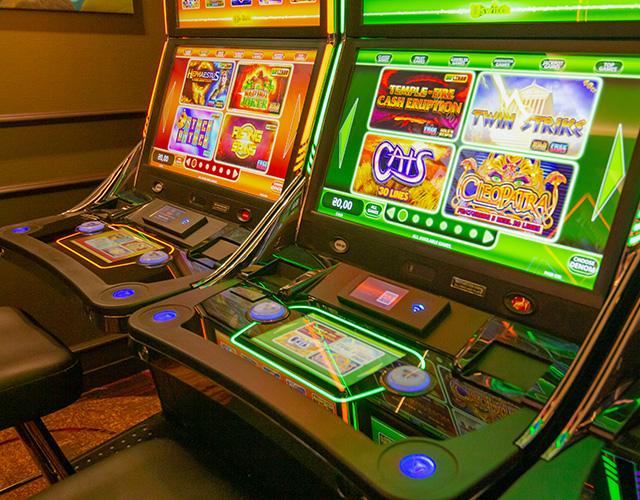
It’s essential to acknowledge that gambling addiction can affect anyone, regardless of age, gender, or social status. The paths leading to addiction often vary, ranging from environmental factors and genetic predispositions to mental health issues. By recognizing these underlying causes, individuals can better understand their situation and seek appropriate help.
The Role of Luck vs. Skill in Gambling
Many people view gambling as a game of chance, where luck plays a significant role in determining outcomes. However, various forms of gambling also involve skill, such as poker or sports betting, where knowledge and strategy can influence results. This duality complicates addiction, as individuals may believe they can control outcomes through skill, leading to increased engagement and, ultimately, addiction.
The perception of gambling as a skill can perpetuate the cycle of addiction. Gamblers may rationalize their losses, believing that luck will turn in their favor or that they can develop strategies to overcome their bad luck. This mindset can trap individuals in a cycle of chasing losses, leading to deeper financial and emotional troubles.
Pathways to Recovery
Recovery from gambling addiction is a multifaceted process that often requires professional intervention. Effective treatment can include therapy, support groups, and sometimes medication. Cognitive-behavioral therapy (CBT) has shown particular promise in helping individuals change their thought patterns and behaviors associated with gambling. Additionally, support groups like Gamblers Anonymous provide a community for individuals to share their experiences and find encouragement in their recovery journey.
Another critical aspect of recovery is addressing any co-occurring mental health disorders, such as depression or anxiety, which can exacerbate gambling behaviors. A comprehensive recovery plan must consider these factors to promote long-term healing and prevent relapse.
Building a Support System
A strong support system is vital for individuals recovering from gambling addiction. This network can include family, friends, and professionals who understand the challenges faced by those struggling with this addiction. Encouragement and understanding from loved ones can make a significant difference in the recovery journey, providing the emotional support needed to overcome obstacles.
Moreover, engaging with others who have experienced similar challenges can foster a sense of belonging and accountability. Support groups offer a safe space for sharing struggles and successes, reinforcing the understanding that recovery is possible and that individuals are not alone in their journey.

Conclusion: Importance of Awareness and Resources
Awareness about gambling addiction is crucial in fostering understanding and empathy within society. As individuals learn more about the complexities of this addiction, they can better support those affected. Resources such as counseling services, hotlines, and educational materials play a significant role in aiding recovery efforts. By prioritizing awareness and providing accessible resources, communities can contribute to healthier environments and assist those in need.
While navigating the recovery journey can be challenging, the combination of personal commitment and external support can lead to healing and a renewed sense of purpose. Understanding and addressing gambling addiction is not just an individual endeavor but a communal effort to promote well-being and resilience.